Sheep are a domesticated species, as they’ve been selectively bred by humans for 12 thousands years! All domestic sheep come from the asiatic mouflon, a small wild sheep species native to western and central Asia.
There are over 1,200 different breeds of domestic sheep in the world, with 59 of those breeds originating in the UK. Whilst you might think wool is wool, many of these breeds have been developed over centuries to match specific climates and terrains, and for specific agricultural purposes.
Lowland sheep like the Suffolk or Texel are accustomed to flat lands and milder temperatures, and are excellent for meat production. But they don’t do too well in cold, high altitude environments, so in harsher areas farmers will keep hardier breeds like our local Swaledale sheep, that thrive in the hills and valleys of the Yorkshire moors.
Some sheep are bred for their wool, some for their meat, and even some for their milk, but the breed we have at Flamingo Land weren’t bred for agricultural purposes at all!
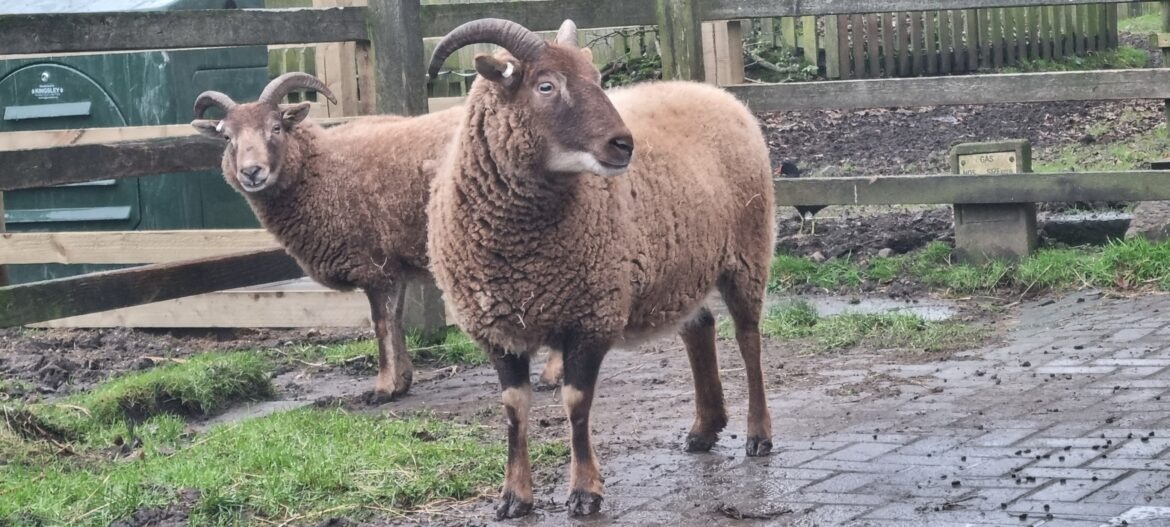
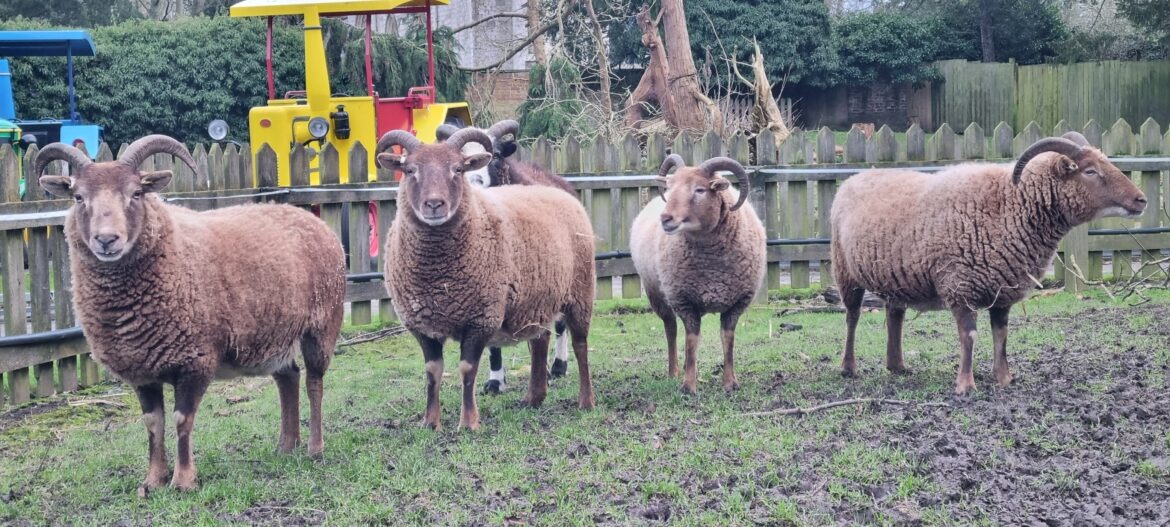
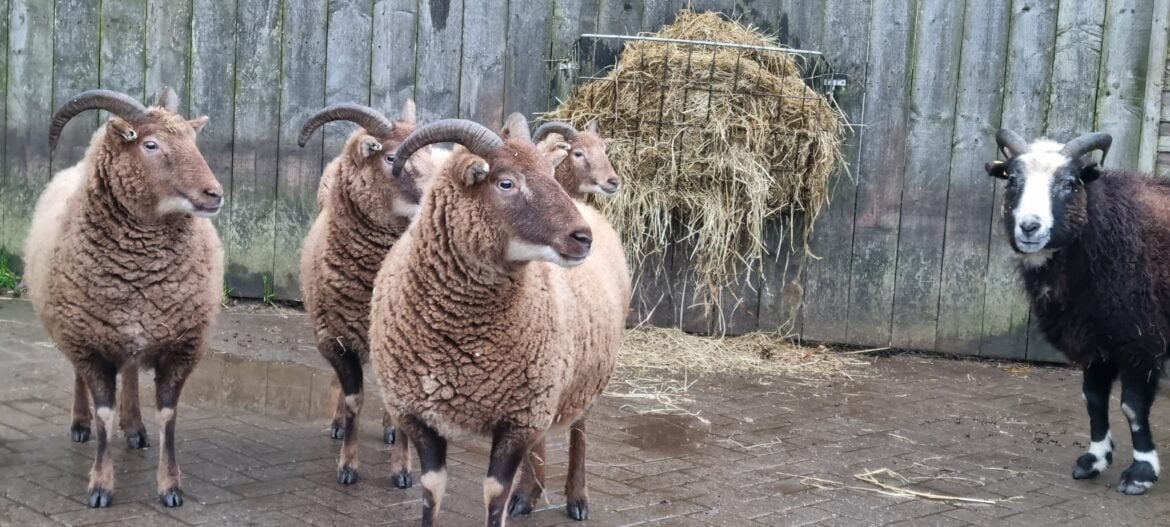
We have Castlemilk Moorit sheep, which were bred in the 1900s as an ornamental species to adorn the Castlemilk estate’s extensive parkland. They were selectively bred from four different sheep breeds to resemble deer in the park, hence their brown wool and relatively narrow physique. They are considered an “at risk” rare breed of sheep as there are less than 1,000 breeding ewes left of them, and they nearly went extinct in the 1970s!
Whilst domesticated animals do not have an IUCN conservation status because they do not naturally live in the wild, the Castlemilk Moorit sheep breed is considered “at risk” by the Rare Breeds Survival Trust (RBST), a UK charity that exists to conserve our native livestock breeds